If you’ve been diagnosed with endometriosis, it’s natural to worry about whether pregnancy is a possibility for you. Getting pregnant with endometriosis can seem difficult, but losing hope is not the answer. With the right treatment options, women with endometriosis can give birth safely and successfully. In this blog, we explain how endometriosis affects fertility and explore the treatment options that can help you get pregnant.
Can I Get Pregnant With Endometriosis?
Endometriosis affects your fertility in multiple ways, and often, women with endometriosis find it more challenging to get pregnant. But it is still possible for women with endometriosis to get pregnant. Approximately 30% to 50% of women with endometriosis experience infertility, while the rest can often get pregnant without medical intervention.
If you find yourself dealing with fertility problems with endometriosis, medical treatment can greatly improve your chances of a successful pregnancy.
Fertility Issues Caused By Endometriosis
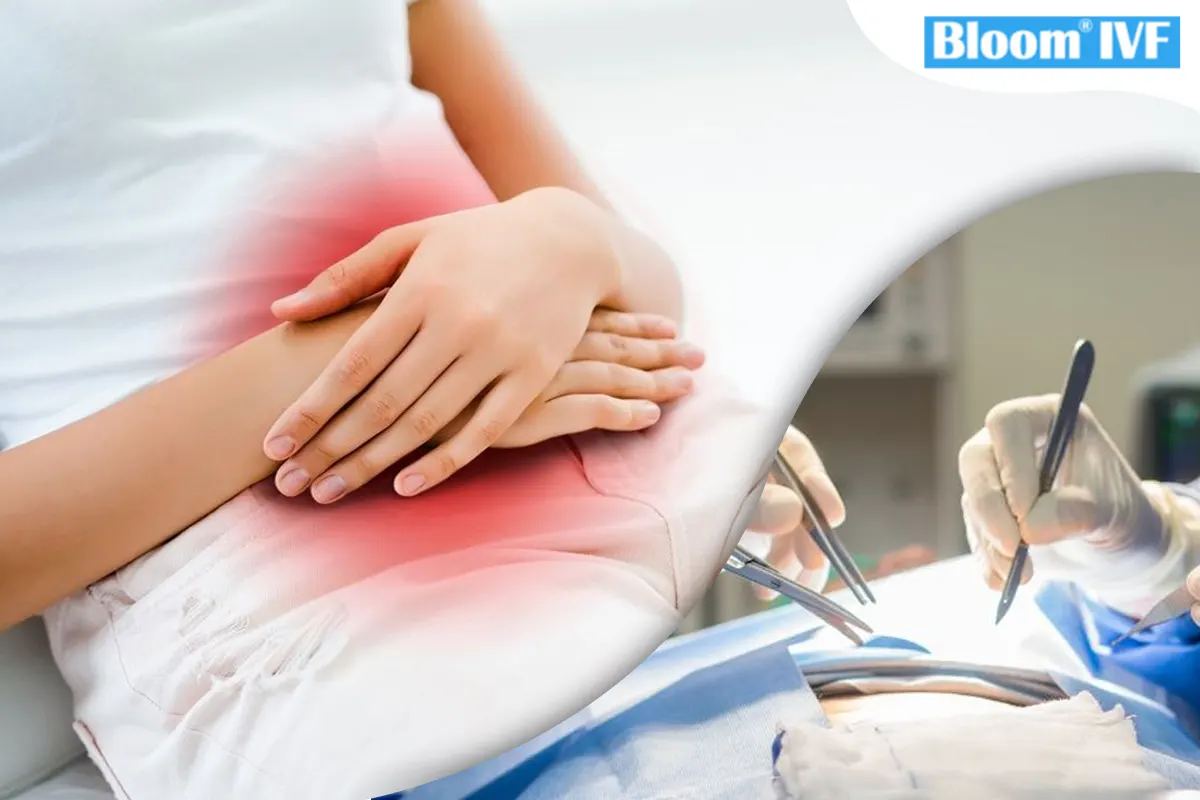
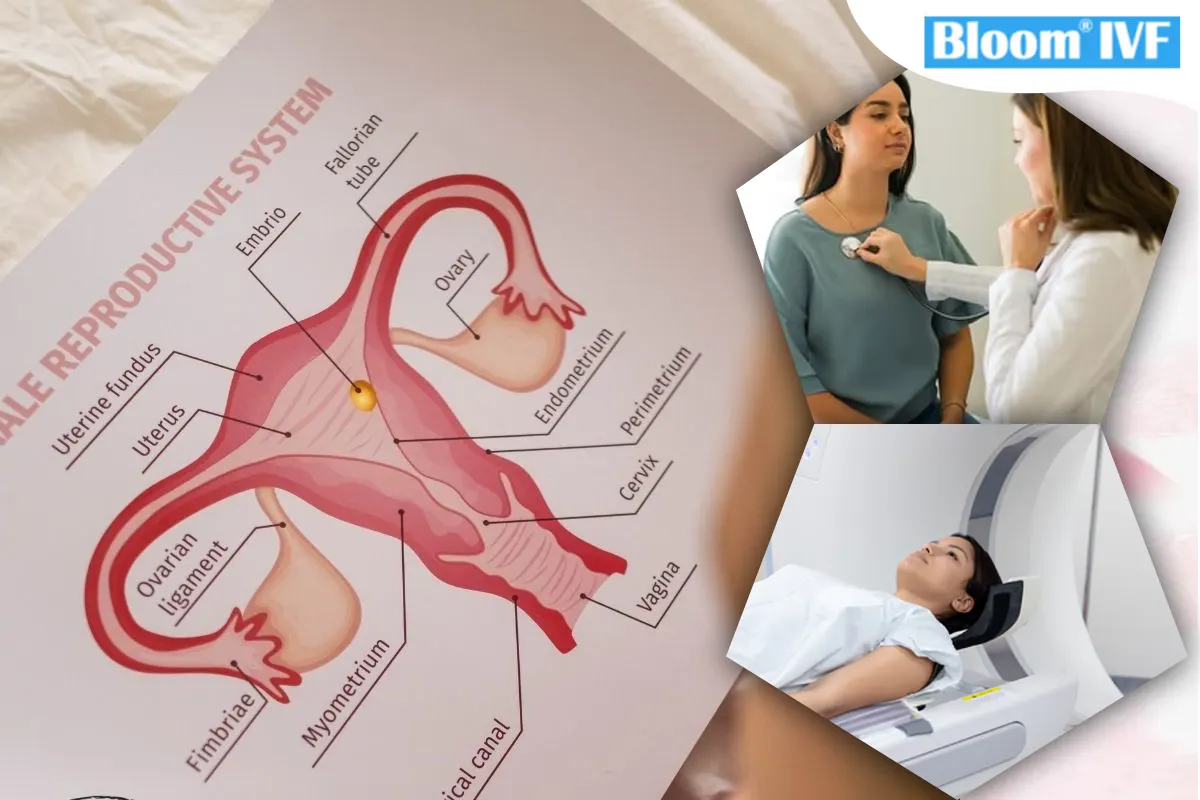
Endometriosis is one of the leading causes of infertility in women. This condition causes tissue that is similar to your uterine lining to grow in places where it isn’t normally found. It can cause scarring on your internal organs and affect your reproductive system.
Women with endometriosis often have difficulty getting pregnant. The severity of your fertility issues depends on where your endometriosis tissue is growing. Typically, women with severe endometriosis can have a lot of scar tissue on their organs, which can block the path of the sperm and eggs.
I] Inflammation
Endometriosis can cause chronic inflammation and release substances like cytokines and prostaglandins. These substances can negatively affect egg quality and sperm function and lower fertilisation rates.
II] Scar Tissue
Endometriosis lesions can affect the health of your reproductive organs, like your uterus and ovaries. Scar tissue and adhesions can grow around your pelvic organs and damage your uterine tissue. It can also create cysts on your ovaries and interfere with regular ovulation.
III] Blockages and Obstructions
Endometriosis-related inflammation, lesions, and scar tissue can block your fallopian tubes and obstruct the movement of eggs and sperm. Sometimes scar tissue can completely block one or both of your fallopian tubes, and your fertility specialist may recommend surgery to improve your chances of conception.
Natural Ways to Boost Fertility with Endometriosis
Some women with endometriosis can get pregnant without medical intervention. These are some things you can do to boost your fertility naturally.
I] Dietary Changes
Your diet directly affects your fertility. Eating a nutritious diet can help restore your body’s natural hormonal balance and relieve chronic inflammation. Certain foods like sugar, processed meat, caffeine, and alcohol can aggravate inflammation. Avoid inflammatory foods and consume antioxidant-rich foods instead.
II] Lifestyle Adjustments
Lifestyle adjustments can improve your reproductive health to a great extent. Maintaining a healthy weight, exercising regularly, eating a non-inflammatory diet, and avoiding endocrine disruptors can positively improve your fertility outcomes.
III] Supplements
Certain supplements and vitamins can improve fertility outcomes in women with endometriosis. Vitamin D, zinc, folic acid, Omega-3 fatty acids, CoQ10, and magnesium are some supplements commonly prescribed to improve egg quality and hormonal balance.
Everyone experiences endometriosis differently, and things that work for others might not always give you positive results. Always take supplements under medical supervision, especially when you are actively trying to conceive.
IV] Stress Management
Stress increases cortisol levels, which can make endometriosis worse. Managing stress can bring your symptoms under control. Massage therapy, yoga, meditation, and acupuncture can help you relax and keep your symptoms under control.
Medical Treatments For Endometriosis
While lifestyle changes can have a positive effect on your fertility, sometimes it might not be enough to get you pregnant. Fortunately, pregnancy with endometriosis is still possible with medical intervention.
Endometriosis-related infertility can be treated through holistic care that combines treatments like lifestyle changes, hormone therapy, and assisted reproductive techniques.
Final Thoughts
Hormonal treatments like contraceptives and gonadotropins can help regulate your body’s hormone production and slow down endometriosis tissue growth. Aromatase inhibitors lower estrogen levels, which can inhibit endometriosis growth.
GnRH agonists and antagonists suppress estrogen production, which helps reduce endometriosis activity and inflammation. This can help shrink endometriosis lesions and improve symtoms.
Hormonal treatments should not be used when you are trying to conceive. Your fertility specialist may prescribe them temporarily to reduce endometriosis growth and make the environment healthier for conception. Contact us at info@bloomivf.com for more information about hormonal treatment for endometriosis, and how it can help you get pregnant without IVF treatment.
II] Ovulation Induction
Drugs like Letrozole and Clomiphene Citrate can help induce ovulation in women who do not ovulate at all or ovulate irregularly. You need to take this medication for five days following your period. Having intercourse in your ovulation window can boost your chances of conception.
III] Surgery
Surgical treatments for endometriosis include laparoscopic surgery and open surgery. Laparoscopic (keyhole) surgery is often the preferred method for endometriosis scar tissue removal, since it causes minimal scarring and is easier to recover from.
Surgery can pose some risks. Your fertility specialist will determine if it may improve your fertility outcomes, and whether you should have surgery before or after undergoing fertility treatment like IVF.
IV] Fertility Treatment
If you’re unable to conceive with the above methods, your fertility specialist may recommend moving on to fertility treatments like in vitro fertilization (IVF) and intrauterine insemination (IUI). You will usually try IUI first, and if that doesn’t work, your specialist will switch you to IVF treatment.
Both treatments are often combined with medication that stimulates the ovaries to produce more eggs. We recommend IVF for women with advanced endometriosis, blocked tubes, or reduced ovarian reserve.
Why Bloom IVF Is the Best Clinic For Endometriosis Treatment
At Bloom IVF, we carefully tailor our fertility protocols to your symptoms, medical condition, and reproductive goals. Our team of endometriosis specialists understands the unique impact of endometriosis on female fertility.
We offer personalized treatment protocols combining holistic care, fertility counseling, and cutting-edge fertility treatments that can treat even the most complex infertility cases. With advanced medical infrastructure, minimally invasive surgical expertise, and personalized IVF protocols, Bloom IVF provides comprehensive endometriosis-focused fertility care.
Get a thorough fertility checkup at a Bloom IVF clinic near you to understand your reproductive potential. Our clinic can help you navigate natural and assisted treatment options and pick the best fertility path for a successful pregnancy.
Frequently Asked Questions:
Can I get pregnant with endometriosis?
Yes, you can get pregnant with endometriosis. Many women with endometriosis can have children without requiring any medical treatment.
What are the signs and symptoms of endometriosis?
Some signs of endometriosis include pelvic pain, pain during sex, heavy flow and irregular menstruation, pain during urination or bowel movements, bloating, and infertility.
When do you need IVF with endometriosis?
Women with stage 3 and stage 4 endometriosis may have serious endometriosis growths and may need assisted reproductive techniques like IVF to conceive.
Can endometriosis go away on its own?
Endometriosis is a chronic condition that rarely goes away on its own. Symptoms may sometimes fade during pregnancy or hormonal treatment, but the condition does not usually go away until menopause.
Is IVF successful in women with endometriosis?
Yes, women with endometriosis can become pregnant with IVF treatment. IVF can bypass issues like blocked tubes, inflammation, or poor egg/embryo quality, making it an effective option for women with endometriosis.
Have questions about your fertility journey?
Speak to a Bloom IVF specialist — book a free consultation.
Book an appointment